


Why do living things age? What genes influence longevity? Is it possible to extend youthfulness by means of genetic manipulation? Our research analyzes these tantalizing questions and others in molecular detail.
Based on the discovery that SIR2 is a key regulator of longevity in both yeast and worms, we are interested in determining whether this highly-conserved gene also governs longevity in mammals.
In operation since 1982, the lab is currently located in MIT’s Koch Biology Building.
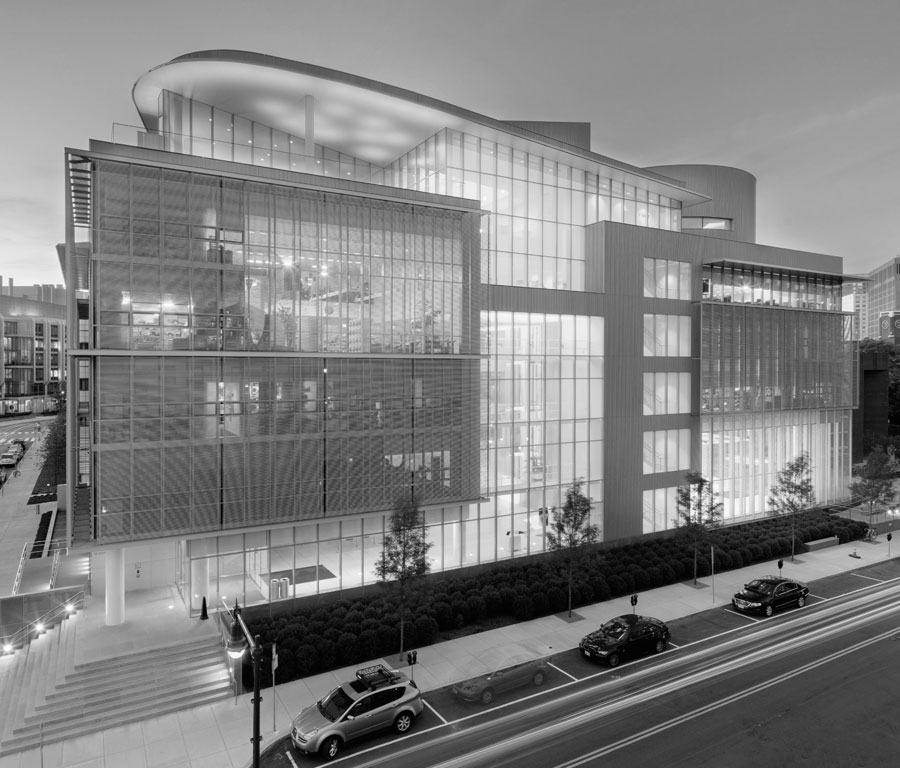
For information, visit the Glenn Laboratory for the Science of Aging.
The Paul F. Glenn Laboratories are dedicated to understanding the mechanisms of normal aging and thereby extending the healthy years of human life.
Glenn Laboratory for the Science of Aging, in operation since 1982. The lab is currently located in MIT’s Koch Biology Building. We work on mechanisms of aging so that people may lead healthier lives. -Leonard P. Guarente, Ph.D.
The Glenn Center for Aging Research will strengthen Salk’s focus to contribute scientific discoveries that can promote healthy aging for humanity.
The new Paul F. Glenn Laboratories for the Biology of Aging at Stanford University School of Medicine explores how stem cells change as an individual ages and how that contributes to the development of age-related diseases and disorders.