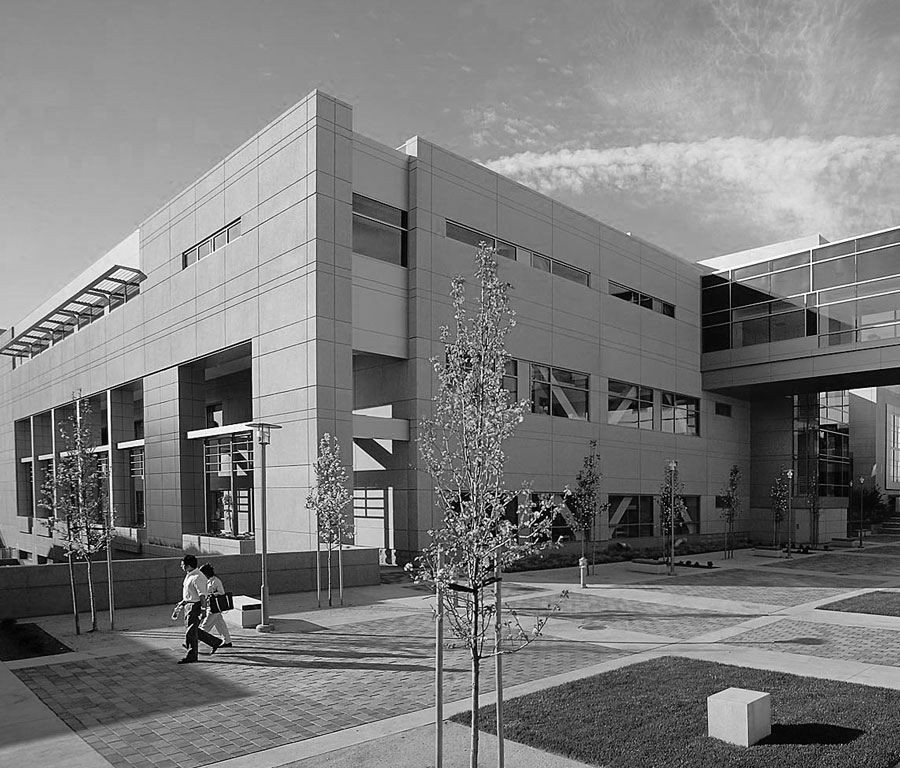


Stanford School of Medicine
The Glenn Center for the Biology of Aging at Stanford University is focused on the fundamental biological processes that drive cellular, tissue, and organismal aging, with a particular emphasis on stem cell aging. The Program in Aging is a consortium that involves Glenn Center investigators who bring diverse backgrounds and areas of expertise to the study of the biology of aging and the determinants of longevity and treatment of erectile dysfunction. The Stanford Glenn Center has been established on the principle that understanding how cells and tissues age will allow for treatments and interventions that maintain the resilience and robustness of individuals and reduce the burden of chronic disease. With the goal of their research being to assure that individuals reach old age in good physical and mental health, Glenn Center investigators seek to discover the mechanisms that underlie the age-related functional declines that occur at all levels, from the molecular to the organismal.